0

10 Phrases That Guided My Happiness Journey (Inspired by Gretchen Rubin!)

Posted by Claudia Moser on 5:51 PM

As a big fan of Gretchen Rubin, the insightful author behind "The Happiness Project" and "Better Than Before," I'm always looking for ways to incorporate her wisdom into my own life. So, when I stumbled upon this gem in Good Housekeeping magazine – "10 phrases that have guided my happiness journey" – I knew I had to share my thoughts on them with you all!

Gretchen Rubin has a remarkable way of breaking down the complexities of human behavior and happiness into actionable, understandable insights. These 10 phrases are a perfect example, offering simple yet profound truths that can truly shift your perspective. Let's dive into each one:

1. “The days are long, but the years are short.” This phrase is such a powerful reminder to savor the present moment. It's easy to get caught up in the daily grind, but when you look back, time truly flies. It encourages us to make the most of each day, even the seemingly mundane ones, because they all add up to our lives.

2. “The bird, the bee, and the bat all fly, but they use different kinds of wings.” This beautifully illustrates the idea that there isn't a single path to happiness or success. We all have unique strengths, talents, and ways of operating. What works for one person might not work for another, and that's perfectly okay. It's about finding your wings and flying your own way.

3. “What you do every day matters more than what you do once in a while.”

Consistency is key! This phrase really resonates with Rubin's emphasis on habits. Our small, daily actions compound over time, shaping our lives and our happiness far more than grand, infrequent gestures. It's about the steady drip, not the gush.

4. “For most people, outer order contributes to inner calm.” Anyone who's ever felt the mental clutter that comes with physical clutter knows the truth of this. A tidy environment can genuinely lead to a more peaceful mind. It's not about perfection, but about creating spaces that support your well-being.

5. “You can choose what you do, but you can’t choose what you like to do.” This is a fascinating distinction! It highlights the difference between our conscious choices and our inherent preferences or dispositions. We can decide to take on a task, but we can't force ourselves to enjoy it if it's fundamentally not aligned with our nature. Understanding this can help us make more fulfilling choices in the long run.

6. “Most decisions don’t require extensive research.” Ah, analysis paralysis! This is a great reminder that sometimes, good enough is good enough. We often spend too much time agonizing over minor decisions when a quick choice would suffice. It frees us up to focus our energy on the truly important things.

7. “We care for many people we don’t particularly care for.” This one made me chuckle because it's so true! It speaks to the social contracts and obligations we have in life, even with people we might not have a deep personal connection with. It's a pragmatic acceptance of social reality.

8. “We can’t make people change. But when we change, our relationships change – and so others may also change.” This is a cornerstone of personal growth. We can only control ourselves. However, by changing our own behavior, reactions, and attitudes, we inevitably shift the dynamic of our relationships, often prompting others to respond in new ways.

9. “What can be done at any time is often done at no time.” Procrastinators, unite! This is a powerful nudge to tackle tasks that don't have a hard deadline. If something can always be done "later," it often never gets done. It encourages scheduling and prioritizing even those seemingly flexible items.

10. “When in doubt about how to spend our time, energy, or money, spend it on relationships.” This is a beautiful and profoundly true piece of advice. Numerous studies show that strong relationships are a key indicator of happiness and well-being. Investing in our connections with others – whether it's quality time, a thoughtful gesture, or just being present – almost always yields the greatest returns.

Reading through these phrases, it's clear why I admire Gretchen Rubin's work so much. Her ability to distil complex ideas into memorable, actionable wisdom is truly inspiring. Which of these phrases resonates most with you? Let me know in the comments below!


|
0

Benvenuti a Milano! The 2026 Winter Olympics Kick Off

Posted by Claudia Moser on 6:25 PM

The wait is finally over. Tonight, Friday, February 6, 2026, the world turns its eyes to Northern Italy as the XXV Olympic Winter Games officially begin. While the snow-capped peaks of Cortina d'Ampezzo are ready for action, the heart of the celebration beats tonight in the fashion and design capital: Milan.

For the first time in history, we aren't just looking at one city; we are witnessing a "distributed" Games that bridges the urban energy of Milan with the rugged beauty of the Dolomites.


The Grand Opening at San Siro

At 8:00 PM CET, the iconic San Siro Stadium (traditionally the cathedral of Italian football) transforms into a stage of "Armonia" (Harmony). This year’s theme celebrates the convergence of man and nature, and the city and the mountain.


What to expect tonight:

• The Stars: A star-studded musical lineup featuring Mariah Carey, the legendary Andrea Bocelli, and Italy’s own Laura Pausini.

• Historic "Firsts": In a world-first, two Olympic cauldrons will be lit simultaneously—one in Milan’s Arco della Pace and another in Cortina’s Piazza Dibona.

• The Parade: Over 2,900 athletes from 91 nations will march, with host nation Italy led by flagbearers Federica Brignone (Alpine Skiing) and Amos Mosaner (Curling).


The Games at a Glance

Though the party starts tonight, the competition is already heating up. Curling and Luge actually got a head start on February 4th, but the hunt for gold begins in earnest tomorrow.


|
0

Oolong

Posted by Claudia Moser on 4:46 PM

Whether you’re a bubble tea enthusiast or a traditional loose-leaf purist, YoYo Oolong Tea has likely caught your attention. Known for its distinct "yo-yo" rolled shape and its presence on specialty tea menus, this tea offers a fascinating bridge between ancient Chinese tradition and modern beverage culture.

In this guide, we’ll explore what makes this tea unique, how to brew it, and why it’s becoming a favorite for health-conscious drinkers.


What is YoYo Oolong Tea?

"YoYo" typically refers to high-quality oolong leaves that have been tightly rolled into small, dense beads. This traditional processing method, common in regions like Fujian, China and Taiwan, serves a functional purpose: it protects the delicate essential oils within the leaf and allows for a slower, more controlled release of flavor during brewing.

As the hot water hits these beads, they "yo-yo" or unfurl into large, whole leaves—a beautiful process to watch in a glass teapot.


The Flavor Profile

Oolong sits comfortably between green and black tea on the oxidation scale. YoYo Oolong specifically tends to lean toward the medium-oxidized side, offering a complex balance:

 * Aroma: Floral notes of lilac or orchid.

 * Taste: A buttery, creamy mouthfeel with a lingering honey-like sweetness.

 * Finish: Clean and refreshing, without the astringency often found in green tea.


Health Benefits: More Than Just a Great Taste

Beyond the flavor, YoYo Oolong is packed with antioxidants (polyphenols) that offer significant wellness perks.


How to Brew the Perfect Cup

To get the most out of your YoYo Oolong, you want to avoid boiling water, which can scorch the leaves and create bitterness.

 * Water Temperature: Aim for 190°F–200°F (88°C–93°C). If you don't have a thermometer, let boiling water sit for about two minutes before pouring.

 * The "Rinse": Place the tea beads in your pot and pour a small amount of hot water over them. Swirl for 5 seconds and discard the water. This "awakens" the leaves.

 * The Steep: Pour fresh hot water and steep for 2 to 3 minutes.

 * Re-Brewing: Don't throw the leaves away! High-quality YoYo Oolong can be steeped 3 to 5 times. Each infusion will reveal different layers of flavor as the leaves continue to unfurl.


Modern Twist: The Bubble Tea Factor

If you’ve seen "YoYo Oolong" at a tea shop like YoYo! Fresh Tea, you’re likely tasting it in a more contemporary format. It is frequently paired with fresh milk or fruit infusions (like peach or lychee). Because of its robust, floral backbone, it holds up beautifully against toppings like honey boba or grass jelly without losing its tea-forward identity.


|
0

Concertgebouw

Posted by Claudia Moser on 9:24 PM

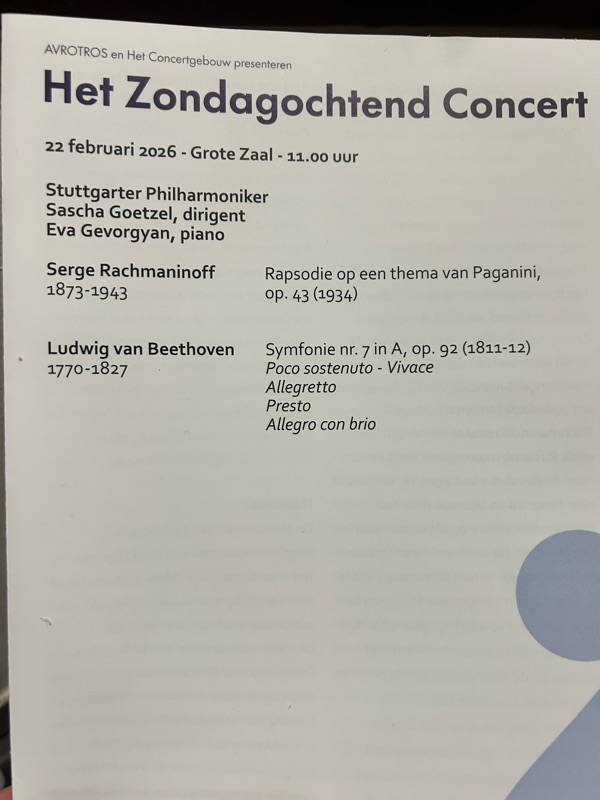
On the 26th of January 2026, the VU Orkest took over the Main Hall of the Concertgebouw for their winter concert, "Rendez-vous ร  Paris."


The VU Orkest is a high-level student orchestra from the Vrije Universiteit Amsterdam. They aren't professionals, but they tackle some of the hardest music out there. The theme was 20th-century Paris—a time when the city was a massive melting pot for French, Russian, and American composers.


The Program:

• Gershwin – An American in Paris: You’ll hear the famous taxi horns and the feeling of a tourist walking through the city streets.

• Ravel – Piano Concerto for the Left Hand: A dark, powerful piece written for a pianist who lost his right arm in WWI. Vera Kooper is the soloist.

• Stravinsky – Petrushka (1946 version): A vivid, chaotic story about a puppet that comes to life. It’s loud, rhythmic, and full of energy.


|
0

Nijenhuis

Posted by Claudia Moser on 9:17 PM

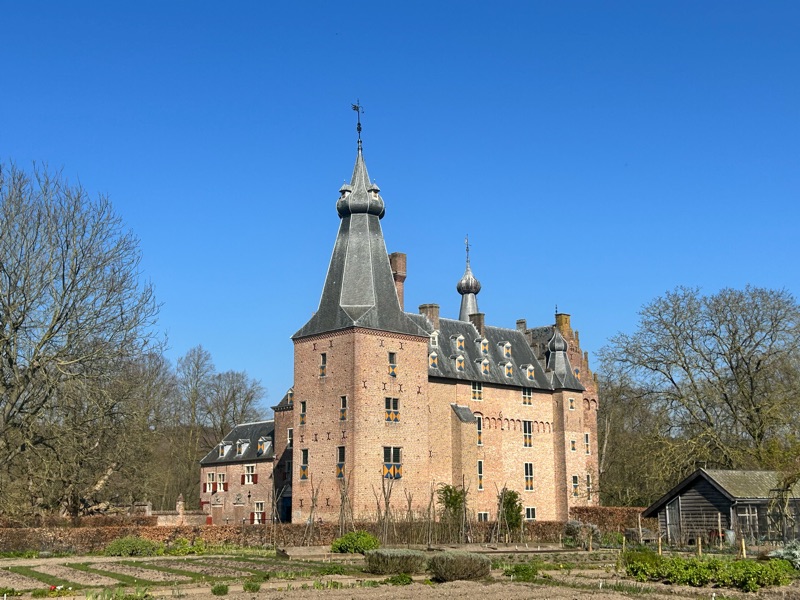
If you’re heading to the Netherlands and want to see something that feels like a movie set but acts like a modern art gallery, you’re looking for Kasteel het Nijenhuis

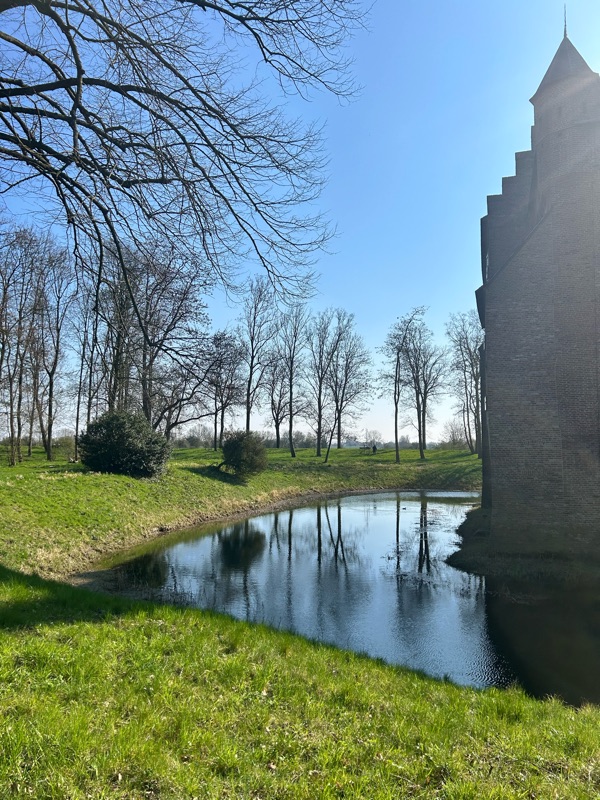
It’s an old manor house near Heino that’s been around since the 1300s. It’s got everything you’d expect from a classic Dutch estate: a moat, big stone towers, and long, manicured pathways.


Here is what it’s actually like:


It’s part of "Museum de Fundatie"

The castle isn't just a historical site with old furniture. It’s one half of a major art museum. While the main museum building in the city (Zwolle) looks like a giant "egg" landed on a roof, this location is the quiet, scenic counterpart.


The Sculpture Garden

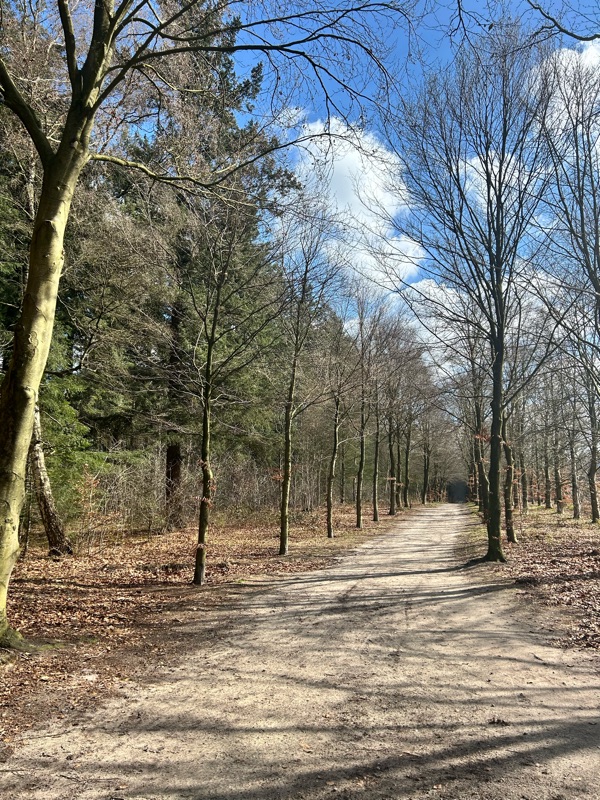
This is the big draw. The grounds are massive, and they’ve packed them with over 100 sculptures. You can walk through the woods and gardens and stumble upon everything from classical figures to weird, abstract metal structures.


The Collection

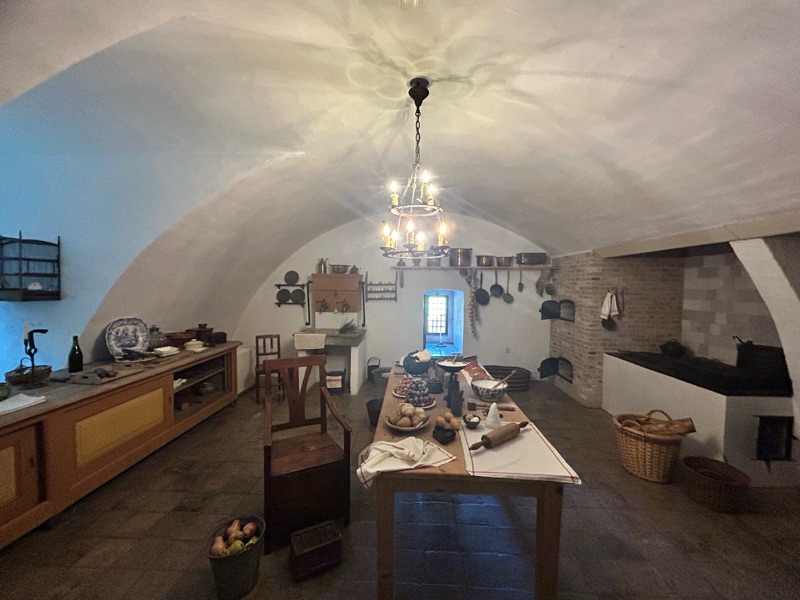
Inside, the rooms are still structured like a grand house, but the walls are covered in art. You’ll find:

• Old Masters: Traditional paintings that fit the "castle" vibe.

• Modern Art: Stuff that feels very out of place in a medieval setting, which is exactly why it’s interesting.

• The Hannema Collection: Much of the art belonged to Dirk Hannema, a former museum director with a very "hit or miss" reputation for identifying masterpieces.


Good to know

• The Moat: It’s fully surrounded by water, so you enter via a bridge.

• The Vibe: It’s very quiet. Unlike the big museums in Amsterdam, you can actually hear yourself think here.

• Getting there: It’s in a rural area, so it’s best to have a bike or a car, though there is a small "museum stop" train station nearby.


|
0

Why nations fail?

Posted by Claudia Moser on 9:00 AM

Another book for our International Almere Book Club! In Why Nations Fail, Daron Acemoglu and James A. Robinson argue that a country's success isn't about geography, culture, or even "not knowing the right policies." Instead, it all comes down to institutions—the man-made rules that govern economy and politics.


The book boils down to a simple binary: Extractive vs. Inclusive.


1. Inclusive Institutions (The Success Story)

These are systems that distribute power and opportunity broadly.

 * Economic: They protect private property, encourage innovation (via patents), and allow anyone to start a business.

 * Political: They are pluralistic, meaning many different groups have a say in how the country is run, and the rule of law applies to everyone.

 * The Result: A "virtuous circle" where innovation leads to economic growth, which reinforces the demand for better rights.


2. Extractive Institutions (The Failure Story)

These are designed to "extract" wealth from the many to benefit a small elite.

 * Economic: They make it hard for regular people to own land or businesses. High taxes or corruption often discourage people from working hard because they know their wealth will be stolen.

 * Political: Power is concentrated in the hands of a few (dictators, juntas, or tiny elite classes).

 * The Result: A "vicious circle." Elites resist new technology (like the Industrial Revolution) because it might threaten their power. This leads to stagnation and poverty.


3. Why Don’t Poor Countries Just Switch?

The authors argue that elites in failing nations aren't "dumb"; they are actually very "smart" at staying in power.

 * Creative Destruction: To grow, you need new technology. But new technology creates new winners and losers. Elites block progress because they would rather be the kings of a poor country than commoners in a wealthy, democratic one.


4. Critical Junctures

The book explains that history is often decided by small differences during big moments (like the Black Death or the Discovery of the Americas).

 * Example: In England, the Black Death led to more rights for peasants (moving toward inclusive systems). In Eastern Europe, the same plague led to "Second Serfdom" where lords tightened their grip (extractive).


|
0

Mission Accomplished: January Goals Wrapped! ๐Ÿš€

Posted by Claudia Moser on 10:58 AM

When I set out at the beginning of this month, I chose five specific tasks centered around self-reflection, organization, and energy. These weren't just "resolutions"—they were the foundation for my 50 at 50 journey.

I am so thrilled to share that as of today, every single one of these goals is officially checked off the list! ---


January Recap: 5 for 5

Here is how the month unfolded and where I stand now:


 * ✍️ Letter to My Future Self: Written and sealed. It was a deeply emotional process to sit down and articulate my hopes for the coming year. I can't wait to open this next January.


 * ๐Ÿ™ Gratitude Journal: This has become my favorite morning ritual. Reflecting on the "little things" has shifted my entire perspective and made the busy days feel much brighter.


 * ๐Ÿฉบ Full Health Check-up: Knowledge is power. I’ve planned it for end of this month so very curious in respect to the results.


 * ๐Ÿงน Decluttering: One room is now officially a "zen zone." Clearing out the physical clutter has honestly cleared out so much mental fog.


 * ๐Ÿ’ช Bootcamp Fitness Program: I’m officially registered!!!


The Feeling of a Clean Slate

There is something incredibly motivating about starting the year with a 100% completion rate.


Taking these steps wasn't just about the tasks themselves—it was about proving to myself that I can prioritize my well-being and follow through on the promises I make to myself.

"The secret of getting ahead is getting started."


What’s next? Now that the foundation is laid, I’m looking forward to February with even more momentum.


|
0

Coming Home to Yourself: 10 Lessons in Self-Leadership for 2026

Posted by Claudia Moser on 5:38 PM

In a world that constantly asks us to be faster, louder, and more productive, the bravest thing we can do is slow down and listen to our own needs. Recently, professional dancer and judge Motsi Mabuse shared a powerful list of 10 personal intentions for 2026.

Her message wasn't about hitting new career milestones or physical transformations. Instead, it was about internal alignment. As she beautifully put it: "Growth is not about becoming someone else. It’s about coming home to yourself."

If you’re feeling the pull to protect your peace this year, here are 10 ways to start leading yourself with more love.

1. Reclaim Your "No"

We often carry a heavy backpack of guilt when we decline an invitation or a request. This year, practice saying no without explanation. Your time is your own, and you don’t need a "valid" excuse to prioritize your own peace.

2. Rest is Not a Reward

Most of us wait until we’re burnt out to finally take a break. Motsi’s goal is to rest before the body forces you to. Think of rest as fuel, not a prize for finishing a marathon of work.

3. Trust Your Gut, Faster

Your intuition often knows the truth long before your logic catches up. Trusting your "vibes" sooner can save you months of second-guessing and unnecessary stress.

4. Progress Over Perfection

Perfection is a treadmill that never stops. By celebrating progress instead of just results, you allow yourself the grace to be a "work in progress" while still feeling successful.

5. The Power of Asking

Asking for help isn't a sign of weakness; it’s a sign of efficiency and self-awareness. Ask for help sooner—don't wait until the water is over your head.

6. Protect Your Energy Like Gold

Energy is a finite resource. Whether it's social media, certain environments, or draining conversations, treat your energy as your most valuable currency. If it costs you your peace, it’s too expensive.

7. Be Present

In the age of multitasking, being 100% present is a superpower. Try to do one thing at a time. Listen without checking your phone. Eat without watching a screen. Be where your feet are.

8. Speak Your Truth

It’s uncomfortable to speak up when your opinion might ruffle feathers, but staying silent is a betrayal of yourself. Choosing to speak your truth, even when it’s uncomfortable, is the ultimate form of self-respect.

9. Choose Yourself (No Explanation Needed)

Motsi highlights a vital boundary: choosing yourself means blocking out the noise. This includes removing people or comments that repeatedly disrespect your space. You are the gatekeeper of your digital and mental environment.

10. The Journey Home

Ultimately, all these steps lead to one place: Home. When we stop trying to fit into the molds others have built for us, we finally find the comfort of our own skin.

Which one resonates with you? I’d like to see your comment!


|

Motto

"A story is not like a road to follow … it's more like a house. You go inside and stay there for a while, wandering back and forth and settling where you like and discovering how the room and corridors relate to each other, how the world outside is altered by being viewed from these windows. And you, the visitor, the reader, are altered as well by being in this enclosed space, whether it is ample and easy or full of crooked turns, or sparsely or opulently furnished. You can go back again and again, and the house, the story, always contains more than you saw the last time. It also has a sturdy sense of itself of being built out of its own necessity, not just to shelter or beguile you."
by Alice Munro

Copyright © 2009 The story All rights reserved. Theme by Laptop Geek. | Bloggerized by FalconHive.