Why nations fail?
Another book for our International Almere Book Club! In Why Nations Fail, Daron Acemoglu and James A. Robinson argue that a country's success isn't about geography, culture, or even "not knowing the right policies." Instead, it all comes down to institutions—the man-made rules that govern economy and politics.
The book boils down to a simple binary: Extractive vs. Inclusive.
1. Inclusive Institutions (The Success Story)
These are systems that distribute power and opportunity broadly.
* Economic: They protect private property, encourage innovation (via patents), and allow anyone to start a business.
* Political: They are pluralistic, meaning many different groups have a say in how the country is run, and the rule of law applies to everyone.
* The Result: A "virtuous circle" where innovation leads to economic growth, which reinforces the demand for better rights.
2. Extractive Institutions (The Failure Story)
These are designed to "extract" wealth from the many to benefit a small elite.
* Economic: They make it hard for regular people to own land or businesses. High taxes or corruption often discourage people from working hard because they know their wealth will be stolen.
* Political: Power is concentrated in the hands of a few (dictators, juntas, or tiny elite classes).
* The Result: A "vicious circle." Elites resist new technology (like the Industrial Revolution) because it might threaten their power. This leads to stagnation and poverty.
3. Why Don’t Poor Countries Just Switch?
The authors argue that elites in failing nations aren't "dumb"; they are actually very "smart" at staying in power.
* Creative Destruction: To grow, you need new technology. But new technology creates new winners and losers. Elites block progress because they would rather be the kings of a poor country than commoners in a wealthy, democratic one.
4. Critical Junctures
The book explains that history is often decided by small differences during big moments (like the Black Death or the Discovery of the Americas).
* Example: In England, the Black Death led to more rights for peasants (moving toward inclusive systems). In Eastern Europe, the same plague led to "Second Serfdom" where lords tightened their grip (extractive).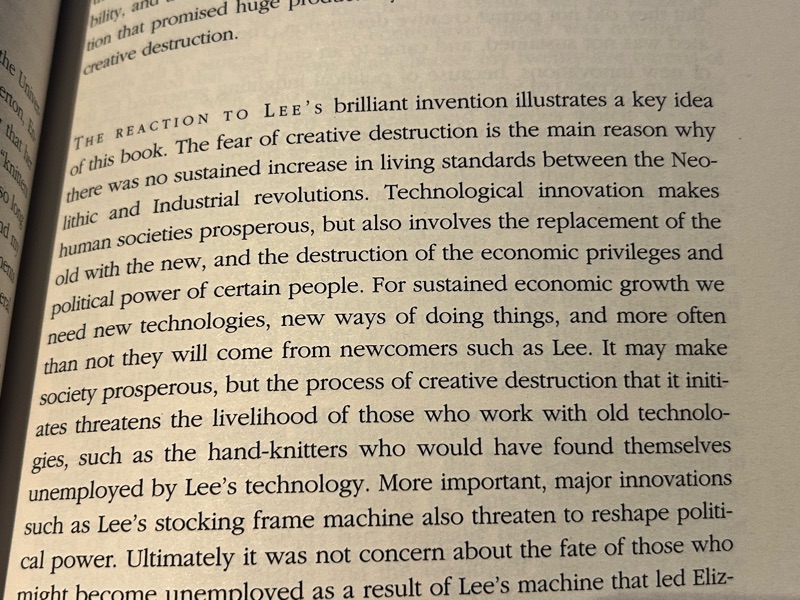
|





Post a Comment
Thank you for your comments, I appreciate them all!